

Fire Mitigation: What is it, How is it Done, Why is it Needed?
Specialized Land Management was founded on the principles of community safety and environmental health. Fire mitigation is key to both of these objectives.
What is Fire Mitigation
Fire mitigation is the action you take to defend your property from catastrophic wildfires. This is especially important within wildland urban interfaces, where infrastructure meets natural landscapes.
Why is Fire Mitigation Important?
Neglecting fire mitigation and proper land management doesn’t only increase the danger to your property, it can also affect neighboring lands and ecosystems. Without proper management:
Wildfires spread faster and burn hotter
- Increasing the risk of canopy fires
- Making it more difficult for firefighters to efficiently extinguish fires
- Insurance claims may be denied or premiums increased
- Nearby wildlife habitats may be destroyed
Some counties in Colorado require or encourage landowners to complete fire mitigation measures, especially before issuing building permits or land use approvals.
Learn more about our fire mitigation services
Contact us for a custom risk assessment and personalized fire mitigation plan.
How is Fire Mitigation Accomplished?
There are multiple fire mitigation strategies, and the strategy you take may depend on your property and/or your goals. In order to mitigate fire impacts, we must either create spaces that can not burn (or can not easily burn), or that slow/stop the spread of a potential fire. The following are steps we can take to mitigate potential wildfire impacts:
Creating Defensible Space Zones – a buffer around your home meant to give firefighters a safer space to fight the fire. These areas have the potential to slow or stop wildfires. Defensible space is created through clearing of dry vegetation, pruning trees, and strategic spacing of plants
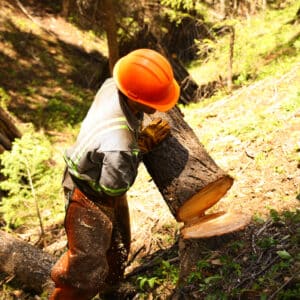
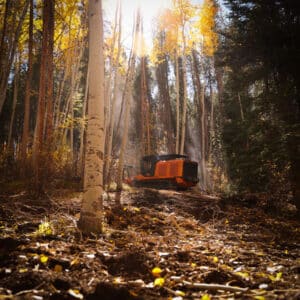
Reducing Fuel Loads – a fuel load is the density of material capable of feeding or fueling a fire. This can be anything from dry grass, to downed trees. Some strategies to reduce the fuel load include removing dead trees, thinning dense forest stands, and removing dense and/or dry understory vegetation.
Introducing Fire-Resistant Landscaping – Choose non-combustible materials like rock mulch and install low-flammability plants in high-risk areas.
Constructing Fire Breaks and Barriers – Create large areas with little to no vegetation, these clearings should be able to slow or stop the spread of fire.
Utilizing Structure Hardening Techniques – Use fire-rated roofing, ember-proof vents, and non-flammable fencing near buildings.

Why Work with Specialized Land Management for your Fire Mitigation Needs?
While some fire mitigation tasks can be completed on your own, a comprehensive fire mitigation plan often requires specialized tools, local knowledge, and compliance with state and/or county regulations. By working with us, we can offer:
- Site-specific risk evaluations
- Professional tree trimming and removal
- Strategic fire break installation
- Fuel reduction
- Ongoing maintenance schedules for long-term protection.
Our team is committed to improving forest health conditions. We always make sure to do what is best for the health of the environment and the safety of our local wildlife.
Explore our full fire mitigation services to see how we keep Colorado properties safe.
Key Takeaways
-
Colorado has been experiencing prolonged fire seasons and increased wildfire risk, making it more important to prepare for fires.
- There are multiple strategies to protect your home, including defensible space, fuel reduction, and structure hardening.
- Specialized Land Management’s team consists of experienced personnel who can ensure compliance and long-term success.
- We offer tailored mitigation plans for all property types. Contact us for a risk assessment and personalized plan.